HPCUS: A Look Back at the Foundation for the Future
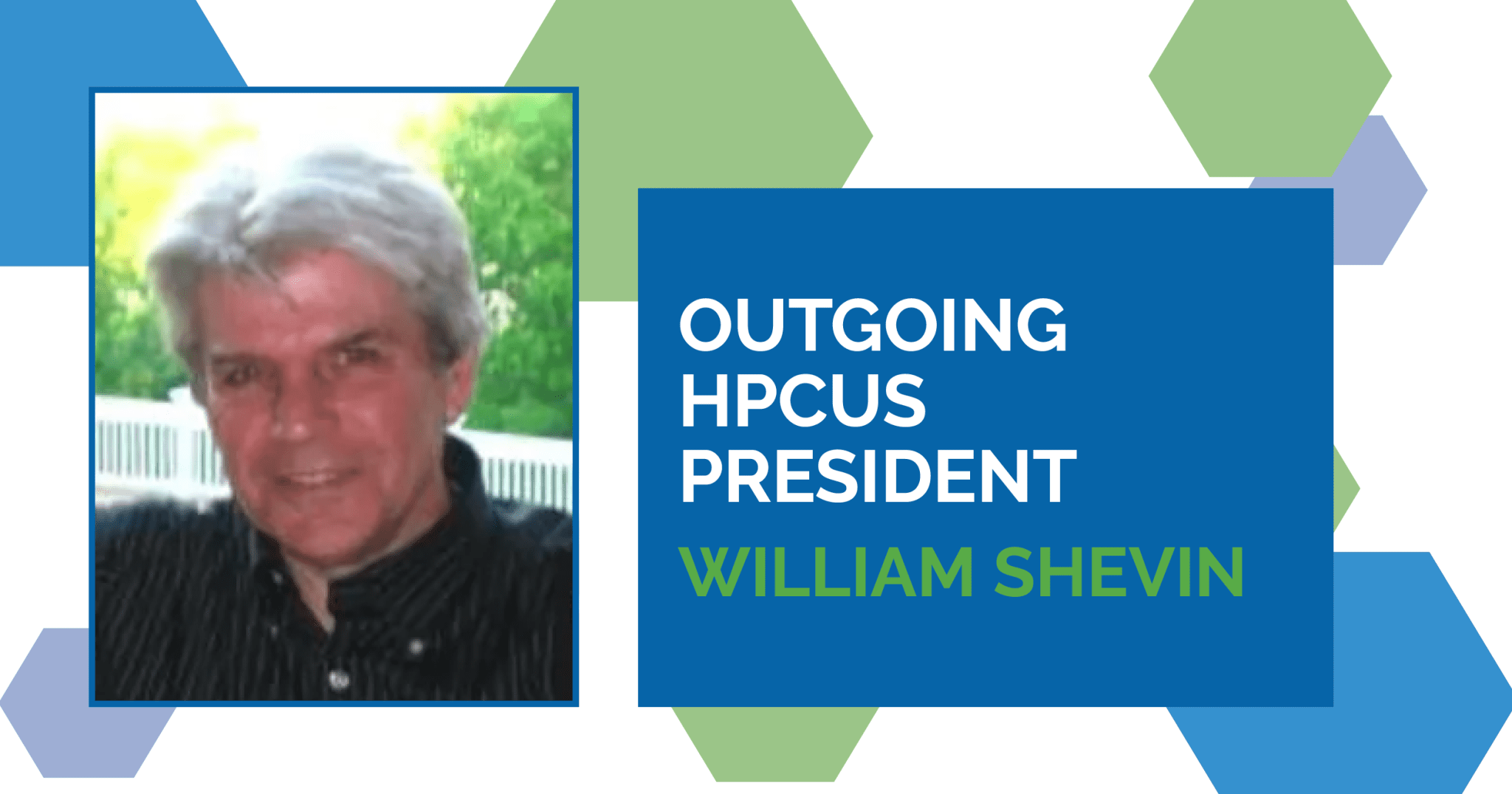
By William Shevin, M.D. DABHM, Outgoing President of HPCUS Board of Directors
I was elected President of the Homeopathic Pharmacopeia Convention of the United States (HPCUS) in April 2020, just a few weeks after the COVID-19 pandemic shifted into high gear. We abruptly moved the annual meetings of the Board of Directors and the membership to a virtual format, which we have since maintained, albeit reluctantly.
The preceding five years were marked by shifting priorities, primarily owing to changes in the regulatory environment. The Food and Drug Administration (FDA) held a public hearing in April 2015, announcing a new draft guidance document and withdrawal of the prior guidance (CPG 400:400), which had been in effect since 1988.
Under the very able 12-year leadership of my predecessor J.P. Borneman III, the Convention had maintained its core functions of updating and publishing the HPUS, while reorganizing internally to become a lean, efficient, and financially stable entity. As the regulatory environment shifted, the Convention evolved, leading to—among other things— developing solutions to Good Manufacturing Practices inconsistencies and impossibilities in the FDA’s regulations through the creation of the White Paper Project. (Here are links to a brief introduction and to summaries of the three White Papers. Please contact me directly if you wish to obtain more information about these White Papers.)
At the April 2020 meeting, the HPCUS Board of Directors (BOD) arrived at a common understanding of three related problems:
- The Convention membership is a cadre almost exclusively composed of volunteers. Turnover is quite low, and the addition of new members is accordingly infrequent. While the Convention benefits greatly from its depth of institutional knowledge, there are limits to any one person’s capacity to serve. Looking at the average age of our BOD, it became clear that we needed to plan for the recruitment and development of future leadership. We also needed to consider the future availability of scientific and technical experts, and possibly volunteers for non-technical help with administration, information technology, document management, and other areas.
- In March 2015, FDA revealed its intention to withdraw its compliance policy guide (CPG 400:400) of 27 years at that time and substitute a new “risk-based” policy. This understandably created concern in all sectors of the homeopathic community, including manufacturers, clinicians, and consumers. The various reactions made it clear that many in the larger community did not understand existing drug law, or the operations, organization, and vital importance of HPCUS and its
- The White Paper Project, while vitally important, had become a significant strain upon our long-term financial resources. We saw that the project needed to continue for several years to complete its initial phase. Other important issues would require subsequent phases and create more strain, both financial and in human resources.
To move forward, it seemed obvious to reach out and engage with the larger homeopathic community. I began participating in community-wide meetings and developing relationships with consumers, clinical professional societies, educators, and manufacturers not currently participating in the Convention. We created a new class for individuals with ties to the Convention, the Friends of the Pharmacopeia, to: increase knowledge and understanding of the Convention and its HPUS; create a mechanism for small annual donations; and develop a volunteer pool. We held meetings with several organizations regarding the tumult in the regulatory sphere, and for recruitment and education. Our efforts in this area produced spin-off collaborations, particularly among professional societies and educators, and between consumers and manufacturers.
The events of the past several years have posed many difficult challenges. The core functions of the Convention require the application of science and technology, utilizing linear and reductive processes that lead to control and certainty. On the other hand, interaction with other groups and individuals in a complex and volatile environment requires “soft skills” and must be conducted differently. I outlined a vision and suggested ways to increase collaboration and integration in an address at NCH’s Joint American Homeopathy Conference, March 2023.
It is important to note that HPCUS operates by consensus, which is almost always achieved, making votes a matter of formality. The BOD sets policy at its quarterly meetings, and the Executive Committee, meeting bi-weekly or monthly as circumstances demand, handles day-to-day management. Owing to high levels of uncertainty and volatility in the external environment, many policy-relevant decisions needed to be made expeditiously. To keep BOD better informed, and to make efficient use of their time during meetings, I began supplying them with periodic background documents.
A team for the White Papers was assembled and convened under Jay Borneman’s leadership. The Convention’s Council on Pharmacy, chaired by our Senior Scientist Eric Foxman, conducted concurrent reviews and revisions of successive drafts. Two rounds of public comment were conducted, which included FDA. Over the summer of 2024, the team collated responses and formulated replies. In October 2024, the BOD gave final approval, responses were sent to all parties, and we requested a meeting with FDA. Our request was acknowledged promptly. After the Presidential election of November 2024, communication from the agency ceased and has not resumed, despite repeated requests. We are now working to operationalize the White Papers’ conclusions, translating them into Good Manufacturing Practices. This may take a year or more to finalize.
HPCUS became a third party to legal proceedings between a skeptic organization and a manufacturer. Our attorney, Alvin J Lorman, skillfully guided us through a long, laborious, and costly process. In the end, we were subject to the process of “discovery,” but with minimal impact.
All the technical committees met regularly, continuing to update policies and procedures, and reviewing monographs and standards. In the past five to six years, the Standards and Controls Committee evaluated Quality Control data for approximately 300 monographs. The Toxicity and Safety Committee evaluated approximately 100 monographs and expanded the scope of its work.
We added 12 new members to the Convention, from both the clinical sector and technical sectors.
We designed a new website to better serve our subscribers, with a separate section for the Friends of the Pharmacopeia, and an enhanced public face.
We concurrently developed a Microsoft Teams/SharePoint site to modernize our document management systems, improve our ability to work in Committees, and facilitate internal communications.
We have worked extensively to enhance our standards, guidelines, and policies.
We have embarked upon creating an endowment to ensure future financial stability, alongside a new strategic plan.
We are currently playing a major role in a community-wide effort to create American National Standards Institute-compliant voluntary standards for certified Homeopathic Drug Products.
The activities described above represent the extraordinary efforts of the entire Convention, including the Board of Directors, Committee chairpersons, and the members of the various committees.
I want to give special thanks to the Executive Committee (Jay Borneman, Todd Hoover, and, as an on-going guest, Eric Foxman). Their depth of knowledge and experience is immense. They are dedicated, hard-working, deliberate, and laser-focused on the health of the Convention and its importance to Homeopathy. Together, we took on more major projects than is usually considered healthy for a small organization, especially one primarily composed of volunteers. Special thanks also to our legal Counsel, Alvin J Lorman, who continues to provide wise counsel.
As my term as President comes to an end, I feel that the Convention is well-positioned and has the momentum necessary to meet its current challenges. With his depth of experience and broad command of the Convention’s core functions, I am confident that incoming President Todd Hoover will provide the leadership required to move the Convention into the future.
To learn more about the changes Dr. Shevin mentioned above, please contact him at drshevin@hpus.com.